Tag: English

  • Pronouncing the Pater noster in Modern English Latin

    Pronouncing the Pater noster in Modern English Latin

    The following transcription is based on Harold Copeman’s transcription of a reading given by John Field and Charles Low of the Westminster School, who both followed the rules of John Sargeaunt’s explanation of “Old Style” or Modern English Latin. I’ve also included his transcription of the Gloria Patri (that’s right, pronounced PAY-trigh). This would have been how Latin was generally pronounced even in the United States until the very late nineteenth century, when Classical reforms started taking root.

    Pater noster

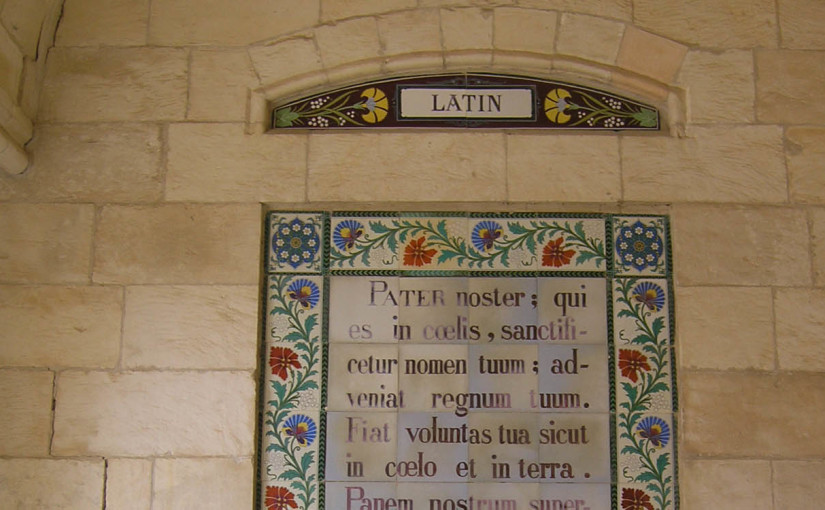
    Pater noster qui es in cælis,
    [ˈpʰeɪtʰɚ ˈnɒstɚ kwaɪ ɛz ɪn ˈsiːlɪs]

    sanctificetur nomen tuum:
    [saŋktɪfɪˈsitʰɚ ˈnoʊmɛn ˈtʰjuʊm]

    adveniat regnum tuum:
    [adˈvɛniat ˈɹɛɡnəm ˈtʰjuʊm]

    fiat voluntas tua
    [ˈfaɪæt βɔˈlʊːntʰas ˈtʰjua]

    sicut in cælo et in terra:
    [ˈsaɪkʊt ɪn ˈsiːloʊ ɛtʰ ɪn ˈtʰɛɹei]

    et dimite nobis debita nostra,
    [ɛtʰ ˈdaɪmɪtʰi noʊbɪs ˈdibɪtʰa ˈnɒstʰɹa]

    sicut et nos dimitimus debitoribus nostris:
    [ˈsaɪkʊtʰ ɛtʰ nɒs ˈdaɪmɪtɪmʊs dibɪˈtʰɔɹɪbʊs ˈnɒstɹɪs]

    et ne nos inducas in tentationem:
    [etʰ ni nɒs ɪnˈdjukas ɪn tʰɛntʰaʃiˈoʊnɛm]

    sed libera nos a malo.
    [sɛd ˈlaɪbəɹeɪ nɒs eɪ ˈmeɪloʊ]

    Gloria Patri

    Gloria Patri et Filio et Spiritui Sancto
    [ˈɡlɔːɾia ˈpeɪtraɪ ɛtʰ ˈfaɪlioʊ ɛtʰ ˈspaɪrɪtʰjuaɪ ˈsæŋktʰoʊ]

    sicut erat in principio et nunc et semper
    [ˈsaɪkʊtʰ ˈɛɹaːtʰ ɪn pɹɪnˈsaɪpioʊ ɛtʰ nʌŋk ɛtʰ ˈsɛmpɚ]

    et in sæcula sæculorum. Amen.
    [ɛtʰ ɪn ˈsiːkjula siːkjuˈlɔɹʊm ˈeɪmɛn]

  • The New Testament in the Shavian Alphabet

    The New Testament in the Shavian Alphabet

    A few years ago, I put together the world’s first New Testament translation fully transliterated into the alphabet that George Bernard Shaw had created for English.

    This was a labor of love. The Shavian alphabet is a fascinating way to write the English language. Once you have become familiar with it, it is like seeing spoken English for the first time. My approach to singing in English vastly changed when I learned Shavian spelling. So much of what we think when we conceive of our language is colored by the Roman spelling that we have become accustomed to over centuries. Instead of 26 clumsy letters having to account for not only the over 40 sounds of English but also show etymology and other conventions, Shavian just lays out what the words sound like in a way that makes sense for English.

    In fact, it can be made even more beautiful through the use of ligatures. Here is the same file with more letters connected:

    I don’t think many alphabets as elegantly display a language as this one. Hopefully you enjoy it if you find yourself curious about this system.